511 BikeMapperSM
Maps »
Bikes on Transit 
Parking: Racks & Lockers »
Bikes on Bridges 
Bike Buddy Matching 
Safety  »
Commuting
Selecting a Bike 
Bicycle Organizations  
Bike to Work Day » 
Classes » 
SEARCH BICYCLING:
Selecting a Bike

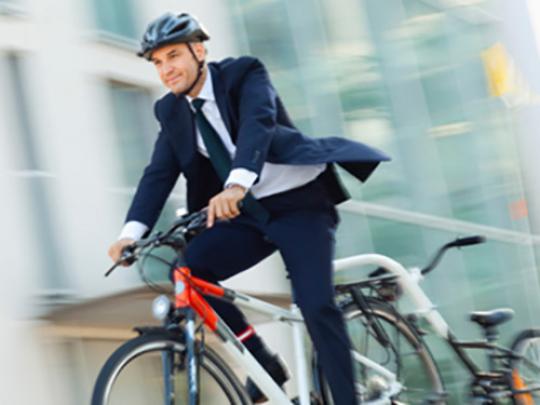
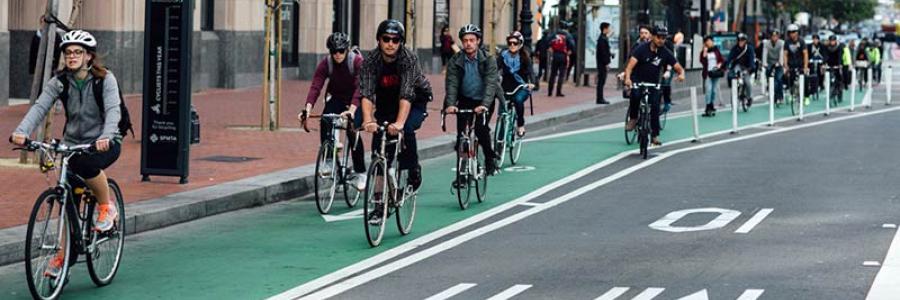
Bike commuterYou are the most important part of your bicycle. Your bike should be sized to fit your body proportions and should match your style of riding, your skill level and where you plan to ride. The equipment you need depends on the type of riding you plan to do, but a safety-rated helmet and a strong lock are essential. Whether your bike is new or old, its gears, chain, brakes and tires must be in good working order.

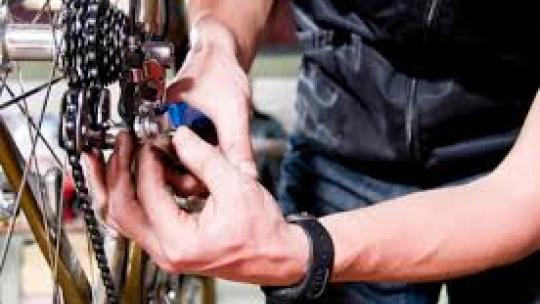
A good bike shop can help you find the right bike for your needs and help you keep it in good working order.

If you’re planning to start riding a bike to work, here’s a quick introduction to the tools of the trade.

Commuter Bikes

The best choice for bike commuting is a mountain bike adapted with smooth, fat-tires. You can purchase new tires at any bicycle shop for around $30 each and the shop should be able to make the tire replacement for you. A racing style frame is less suitable for urban riding because the thin tires are too hard and vulnerable for rough roads. It’s also difficult to watch traffic in the head-down racing position.

Beater Bike

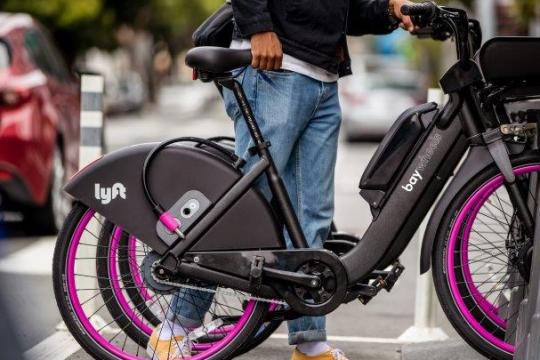
If you’re only using your bike to ride to and from a transit station or you don’t have far to ride, you may want to go with an inexpensive or used “beater” bike. Beater bikes may not impress your friends, but they’re less vulnerable to theft.

Folding Bikes

Folding bikes literally fold up so they can be carried onto buses and trains that otherwise prohibit bikes during peak commute hours or otherwise (check the Bikes on Transit page for specific bike restrictions.) If you’re serious about biking to work and you need to take transit, this could be a great choice. Make sure that the folding bike you choose is light-weight or that you are able to carry it.   

Folding bicycles usually have smaller wheels. If you prefer full-sized wheels but still want the convenience of a folding bike, you may also consider a coupling system.  In a coupling system, your full-size bicycle frame is cut in half and the couplers enable you to take the bike apart and put it back together with a special tool.  See S&S Machine’s website, the manufacturer of a popular coupling system.

Touring Bikes

Touring bicycles are made for long-distance cycling trips. They usually have the capability to carry overnight/camping gear and feature accommodations for varied types of trips (e.g., steep hills and flat, long distances). Click here (PDF) for a the Adventure Cyclist Association's guide to choosing a touring bike.

Gear and Clothing

Commuter Gear

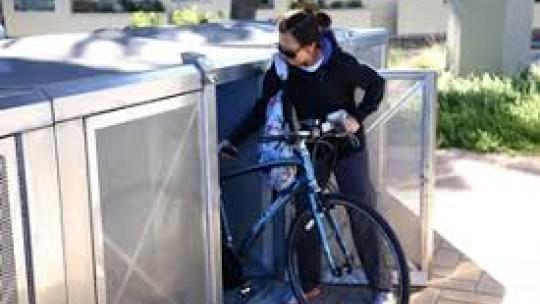
Regular commuting needs include fenders, rack, pannier (saddle bags), headlamp and taillight, tire repair kit and pump. A good bike lock is essential, especially if you’re parking your bike at a transit station where thieves regularly steal bikes to sell their parts. You may want to even purchase a secondary chain lock to secure your bike even more, and take your bike seat with you. The harder you make your bike to steal, the less likely it will disappear!

Clothing

You don’t need to purchase the latest trends in spandex to ride your bike to work, especially if your ride is short and there isn’t a place to shower or change at your job. You will want to wear comfortable clothing though and have an ankle band to prevent your pants from getting caught in the chain. If you’re going to be riding after dark, it’s important to wear something bright, such as a bright, lime-green color jacket, plus a reflective triangle, to help make you visible. You may also want to wear gloves to protect your hands, and keep a poncho in your bag in case it rains.